
How Does CSR Affect Society?
In today’s business landscape, Corporate Social Responsibility (CSR) is no longer just a philanthropic option—it is a vital component of how companies contribute to sustainable development. But beyond compliance and branding, how does CSR actually affect society?
At RMM Foundation, we work at the intersection of corporate purpose and community impact, particularly in the area of public health. Here’s what we’ve learned.

- CSR Builds Social Infrastructure Where It’s Needed Most
Many rural and underserved areas in Indonesia still lack access to basic services such as healthcare, clean water, and education. CSR programs can step in to fill these critical gaps, helping build the social infrastructure that government and public systems may not yet reach.
At RMM Foundation, we channel CSR funds into:
- Maternal and child health services in villages.
- Health screenings and mobile clinics for remote communities.
- Education campaigns for youth health and hygiene.
These initiatives not only save lives but also reduce long-term public costs.
- CSR Strengthens Community Resilience
CSR isn’t just about short-term aid—it’s about empowering communities to thrive independently.
When companies invest in preventive healthcare, community training, or local facilities, they create a ripple effect:
- Healthier families are more economically productive.
- Educated youth become changemakers.
- Empowered women improve family and village well-being.
In short, strong communities make for a more stable and prosperous society.
- CSR Creates Measurable, Shared Value
CSR done right creates “shared value”—where both society and business benefit. Companies gain reputational trust, stakeholder loyalty, and alignment with global ESG goals. Meanwhile, communities gain tangible improvements in quality of life.
At RMM Foundation, we ensure every corporate partnership is backed by:
- Transparent reporting
- Measurable indicators
Clear alignment with national development goals (e.g., SDGs)
- CSR Fuels Innovation and Collaboration
Through CSR, businesses are becoming key innovators in solving real-world problems. Whether it’s introducing mobile health tech, sustainable packaging, or data-driven education campaigns—CSR can be a platform for piloting scalable, community-first solutions.
And it’s not done in isolation. Successful CSR brings together corporations, NGOs like RMM, local leaders, and government for collaborative impact.
- CSR Humanizes Business
Perhaps most importantly, CSR reminds us that business is about more than profits—it’s about people.
When companies step into their role as active citizens, they become part of the human story: of lifting others, enabling dreams, and shaping the future.
Partner with Purpose
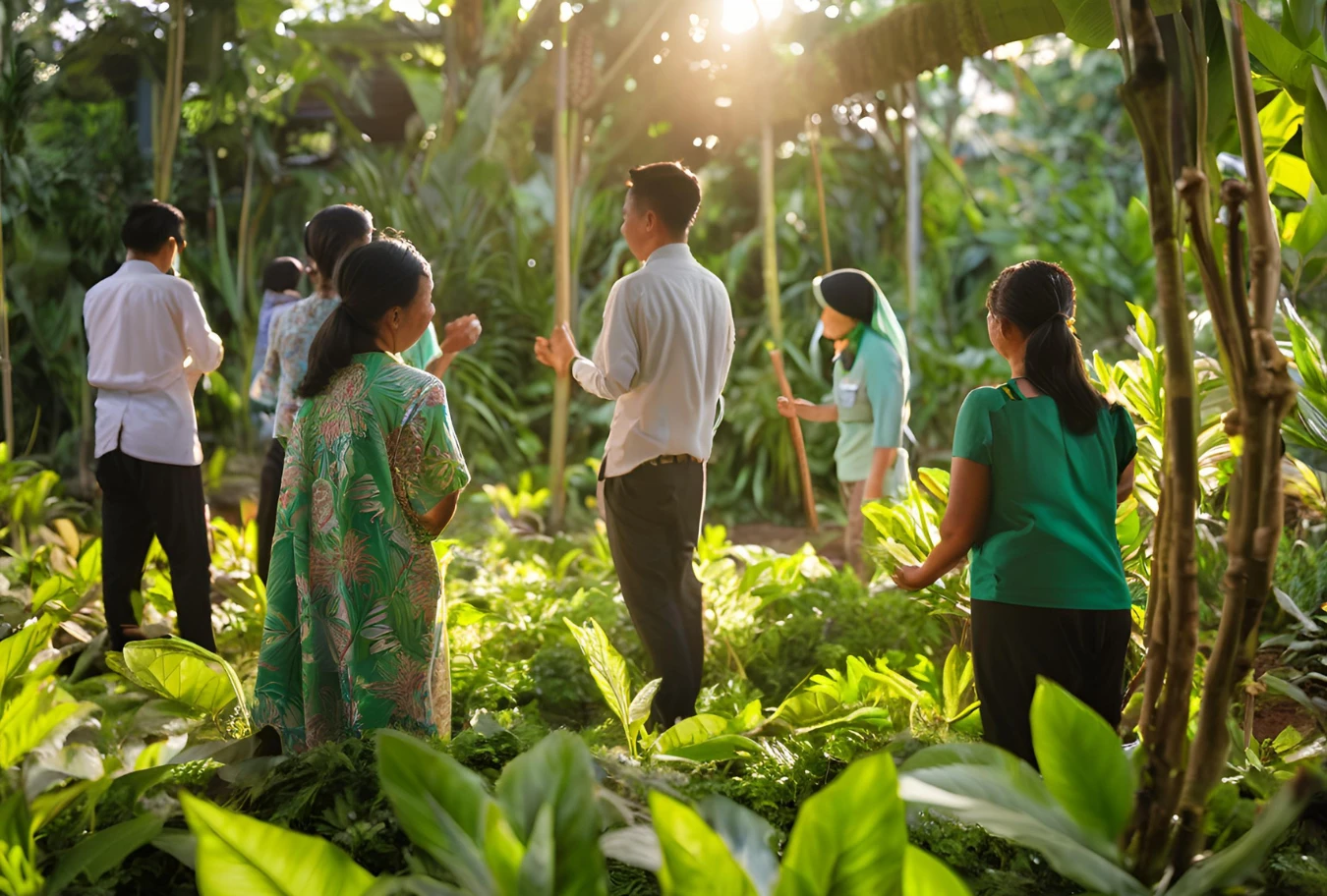
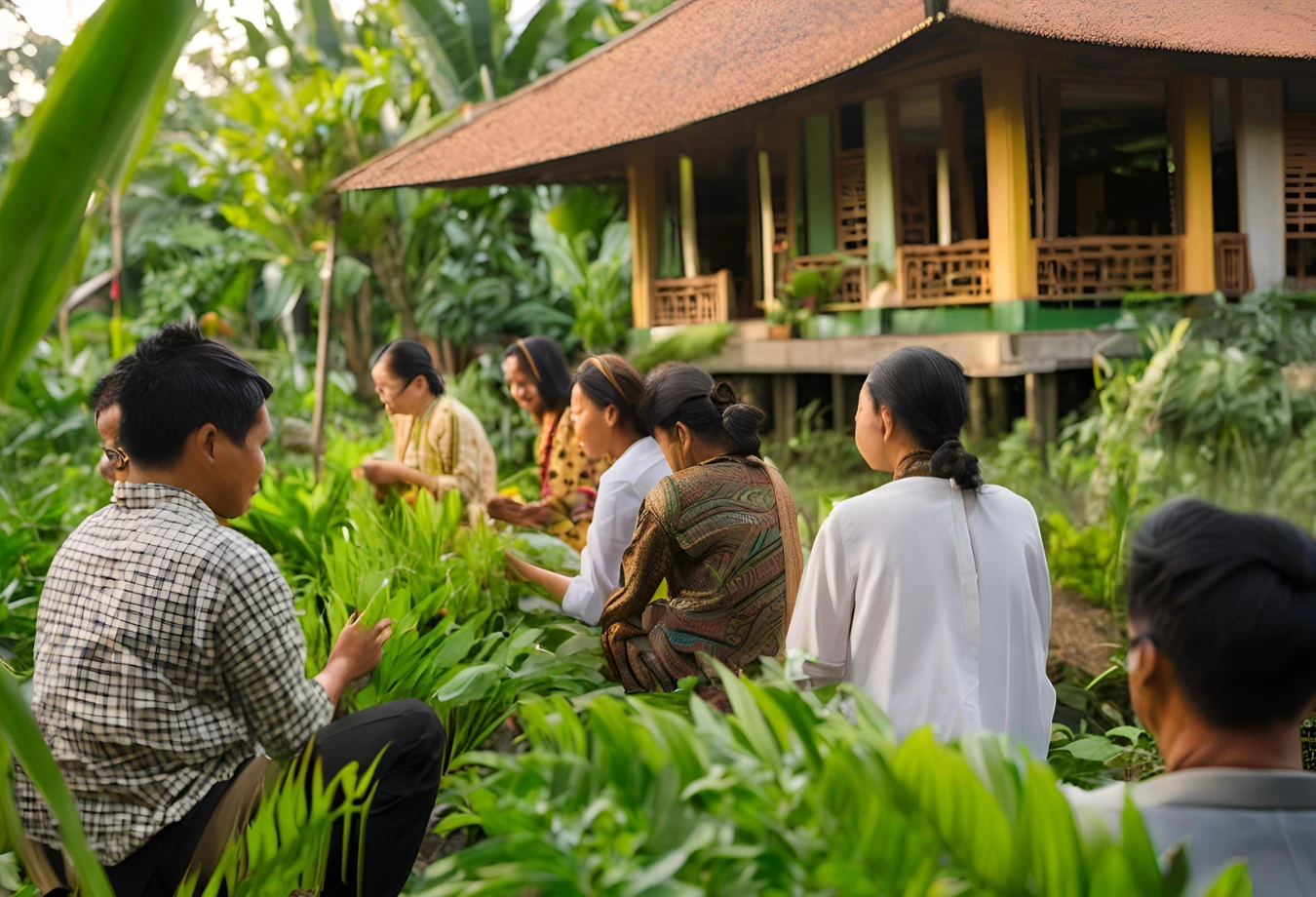
At RMM Foundation, we help companies create strategic, high-impact CSR programs that directly affect public health and community resilience in Indonesia.
📩 Interested in building a CSR program that truly makes a difference?
Let’s talk about partnership opportunities today.